Aerobic Respiration Requires Which of the Following Molecules
The efficiency of aerobic. Do Aerobic Respiration And Anaerobic Respiration Have In Common.

Aerobic Overview Bioninja
It requires pathways and membrane complexes in both the cytosol and mitochondria in eukaryotes.
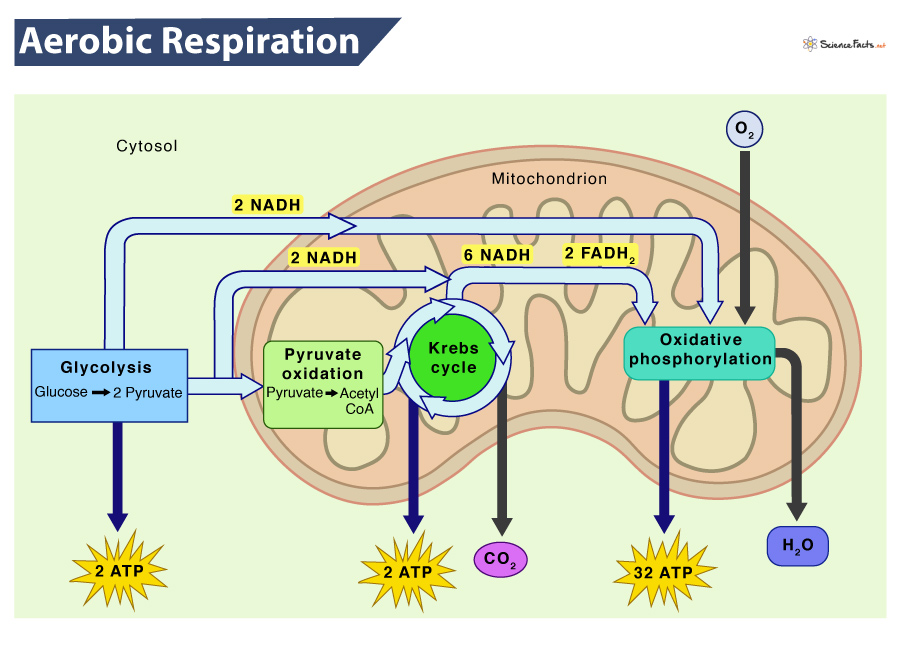
. 2 more chemical bonds are broken. Starting from a glucose molecule a total of about 38 ATP molecules are produced at the end of cellular respiration. During which phase of aerobic respiration is FADH2 produced.
In Aerobic Respiration which of the following isare required for ATP production in the electron transport chain. In cellular respiration most ATP molecules are produced by _____. They both oxidize glucose to produce oxygen.
Substrate refers to this kind of material. While in the anaerobic mode of respiration normally any kind of exchange of gases does not occur. Glycolysis is the first step in aerobic respiration.
ATP is then used as energy by nearly every cell in the body -- the largest user being the muscular system. During aerobic respiration carbon dioxide water and ATP are produced. Acetyl-CoA enters the citric acid cycle or Krebs cycle which would result in the maximum yield of ATP.
All of the answer choices are correct. This cellular process. Mitochondria in aerobic respiration cytoplasm occurs while anaerobic respiration only.
Aerobic respiration is the process by which glucose molecules are broken down into usable cellular energy called adenosine triphosphate ATP while in the presence of oxygen. NADH 1 FADH2 1 ATP AND 3 Co2 The yield from each pyruvate in the second stage of aerobic respiration includes. What is the efficiency of aerobic respiration.
Aerobic respiration is a biological process that takes energy from glucose and other organic compounds to create a molecule called Adenosine TriPhosphate ATP. In glycolysis 2 molecules of pyruvate are converted to acetyl-CoA by the pyruvate dehydrogenase complex. 3 oxygen is released 4 lactic acid is formed 6.
For each glucose that enters glycolysis _____ NADH enter the electron transport chain. 1 glucose 6 O2 6 CO2 6 H2O 38 ATP. It requires pathways and membrane complexes in the cytosol and plasma membrane in prokaryotes.
The word equation for aerobic respiration is. Specifically aerobic and anaerobic respiration take glucose as its starting molecule. Ethyl alcohol is a product of fermentation.
A More than 75 b Approximately 45 c Less than 20 d 99 Answer. That equation is. Anaerobic respiration also produces energy and uses glucose but it produces less energy and does not require oxygen.
Aerobic respiration has four stages. Glucose oxygen - carbon dioxide water. Aerobic respiration requires oxygen while anaerobic respiration does not.
In anaerobic respiration only 2 ATP are made while 36 are made in aerobic respiration. Anaerobic respiration only produces 2 ATP molecules per molecule. The oxidation of the electron carrier molecules.
Which of the following statements about the aerobic respiration of a molecule of glucose is FALSE. Important Aerobic Respiration Steps Glycolysis. Glucose oxygen carbon dioxide water energy released.
Movement of electrons through proteins. Further both aerobic and anaerobic respiration produce ATP. During anaerobic respiration lactic acid ethanol and ATP are created.
In summary 1 molecule of six-carbon glucose and 6 molecules of oxygen are converted into 6 molecules of carbon dioxide 6 molecules of water and 38 molecules of ATP. Aerobic respiration is most common in higher organisms. Both types of respiration result in the production of carbon dioxide and water.
The aerobic respiration of a molecule of glucose releases more energy than the anaerobic respiration of a molecule of glucose because in aerobic respiration 1 carbon dioxide is used. Aerobic respiration takes place in the mitochondria and requires oxygen and glucose and produces carbon dioxide water and energy. In the Aerobic method of respiration It requires an exchange of gases with the surrounding environment in which it takes the oxygen atoms and releases the carbon dioxide molecules.
This step is actually anaerobic as it does not require oxygen. The chemical equation for aerobic respiration is glucose oxygen gives carbon dioxide water energy whereas the equation for anaerobic respiration is glucose giving lactic acid energy. Lactic acid is a product of aerobic respiration.
The final electron acceptor of cellular respiration is _____. You need to be able to recognise the chemical symbols. Cellular respiration helps harvest chemical energy from food and store it in the ATP molecules.
Oxygen is a product of cellular respiration. 34 molecules of ATP are generated by oxidative. Glycolysis formation of acetyl coenzyme A the citric acid cycle.
However aerobic respiration is much more efficient than anaerobic producing up to 38 ATP molecules per molecule of glucose. The reactions of aerobic respiration can be broken down into four stages described below. Aerobic respiration needs oxygen to occur while anaerobic does not.
Lactic acid is a product of anaerobic respiration. You Answered Glucose is a product of aerobic respiration. In eukaryotes the steps of aerobic respiration take place within the mitochondria and this requires oxygen.
ATP is the storehouse of energy and it provides energy to the cells.
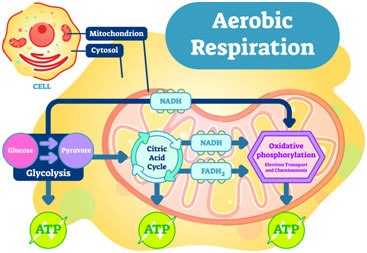
Cellular Respiration Types Aerobic Respiration Anaerobic Respiration Biological Oxidation
Aerobic Respiartion Definition Equation Steps Advantages
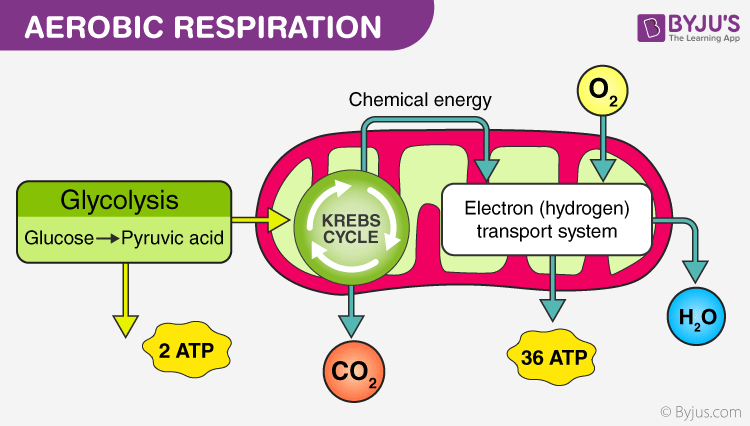
What Is Aerobic Respiration Definition Diagram And Steps
0 Response to "Aerobic Respiration Requires Which of the Following Molecules"
Post a Comment